Power supply challenges in Nigeria have made alternative energy solutions a necessity rather than a luxury. Two of the most common options people consider are inverters and solar generators. While both aim to provide backup power, they work differently and suit different needs.
What Is an Inverter System?
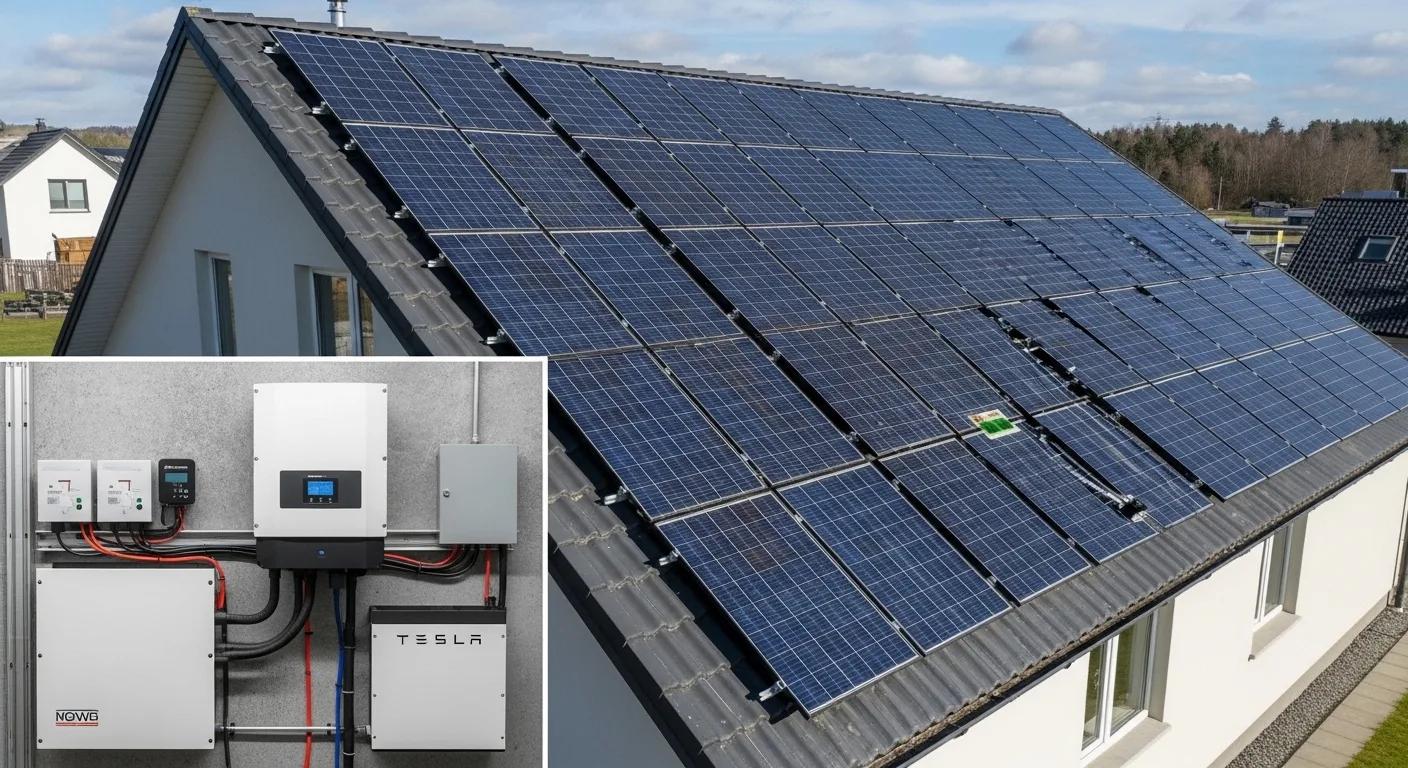
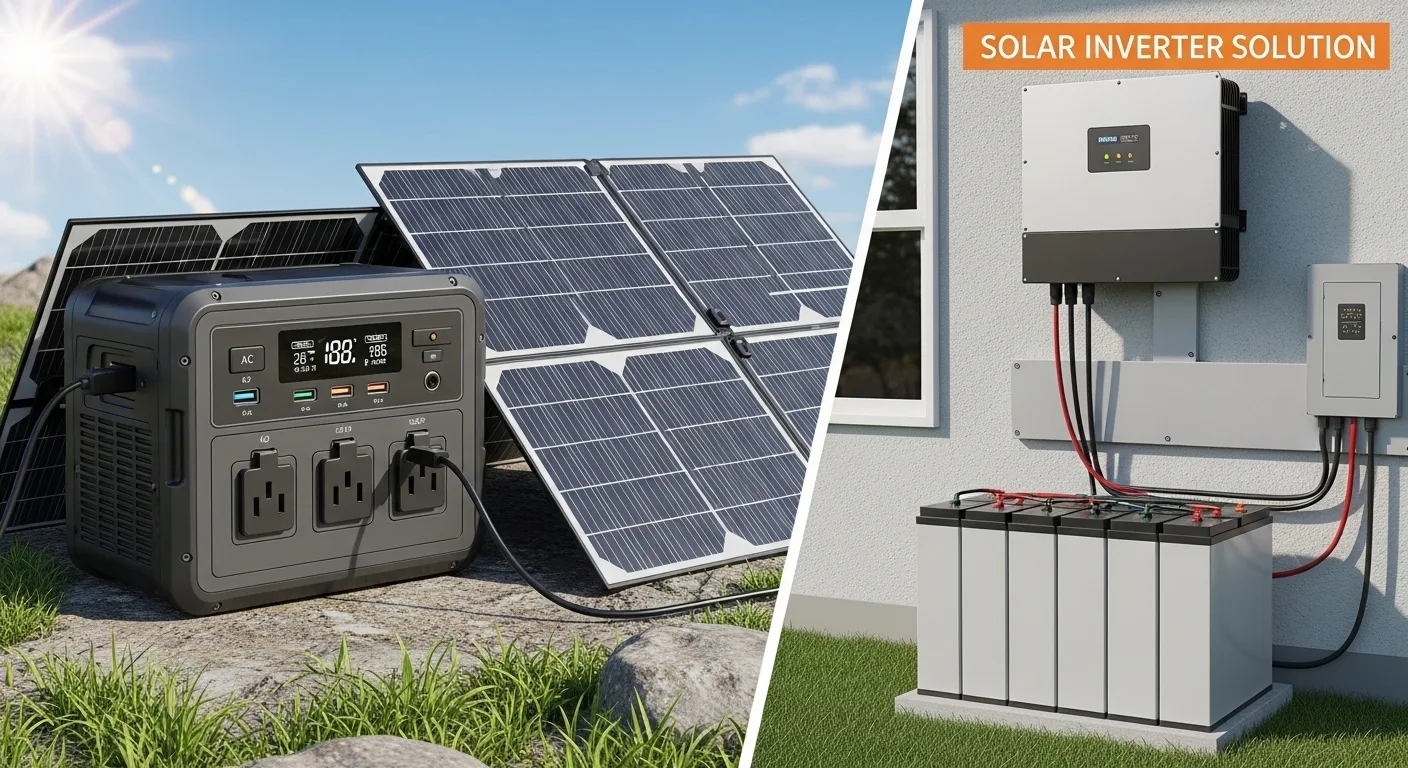
An inverter system stores energy in batteries and converts DC power to AC power for home or office use. It is usually charged via PHCN (grid electricity) or, in a hybrid system, via solar panels.
Pros:
Lower initial setup cost (depending on size)
Can power heavy appliances when well designed
Reliable for daily indoor use
Cons:
Depends on grid or solar input to recharge
High electricity cost if charging from PHCN
Battery replacement may be required over time
What Is a Solar Generator?
A solar generator is a portable or semi-portable system that uses solar panels to charge an internal battery, which then supplies power directly to appliances.
Pros:
Fully dependent on solar energy (no fuel or PHCN needed)
Low running cost after installation
Easy to move and install (especially portable types)
Cons:
Higher upfront cost for quality systems
Limited capacity compared to full inverter setups
Not ideal for heavy industrial loads
Which Is Better for You?
If you are looking for a full home or office backup system, especially for powering heavy appliances like fridges, ACs, and office equipment, an inverter system (preferably hybrid with solar) is usually the better choice.
However, if you need a simple, portable, and low-maintenance power solution for essentials like lights, Wi-Fi, and small devices, a solar generator may be more suitable.
Final Thoughts
The best choice depends on your energy needs, budget, and long-term goals. In many Nigerian homes and businesses, a hybrid inverter system with solar support offers the most balanced and sustainable solution.