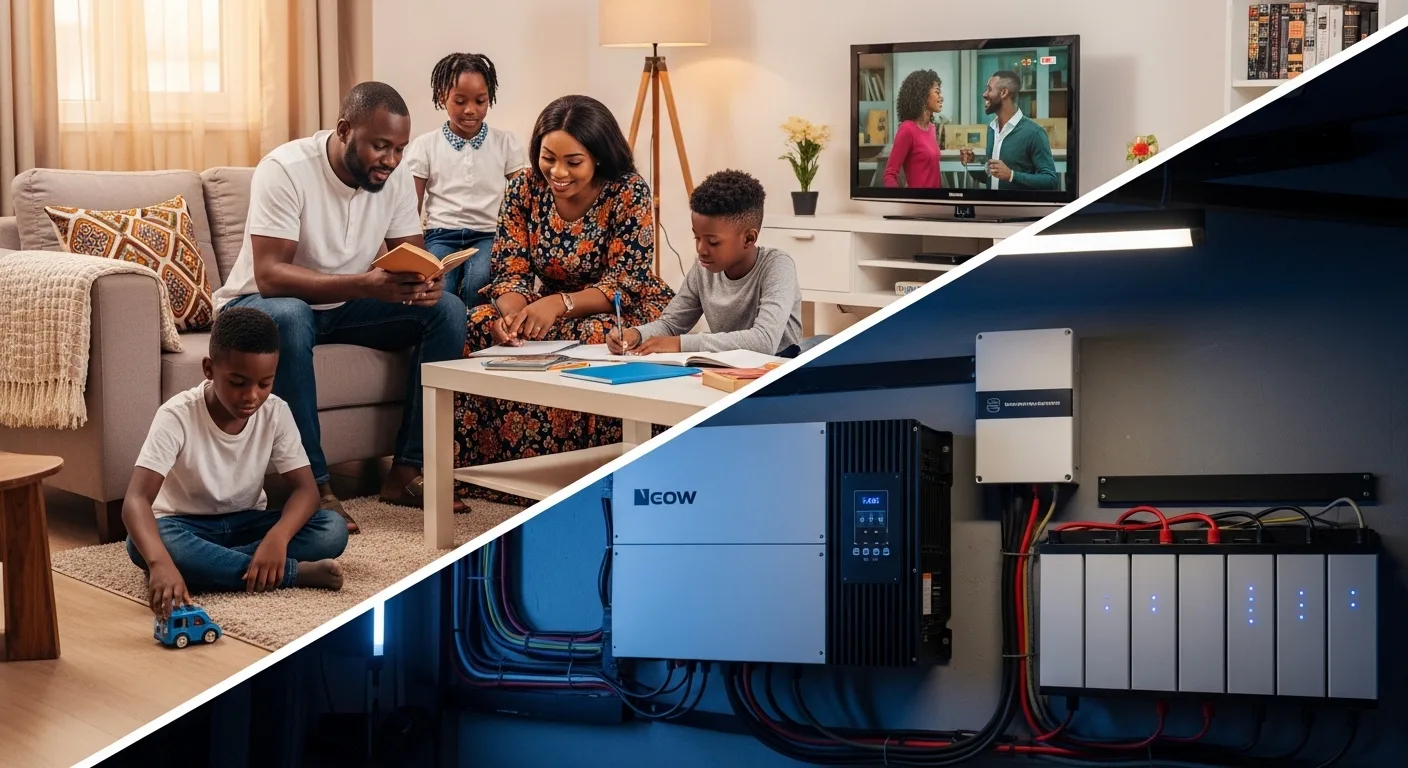
Choosing the wrong battery capacity can leave you without power when you need it most or cost you more than necessary.
In Nigeria, many homeowners are switching to solar and inverter systems for reliable electricity. But one common mistake is choosing the wrong battery capacity, which affects performance, backup time, and overall system efficiency.
What Does Battery Capacity Mean?
Battery capacity is the amount of energy a battery can store, usually measured in amp-hours (Ah) or kilowatt-hours (kWh).
Simply put:
Higher capacity = longer backup time
Lower capacity = shorter usage duration
1. Calculate Your Power Load
Before choosing a battery, you need to know how much power your home consumes.
Typical household appliances include:
Lights and fans
Televisions
Refrigerators
Laptops and routers
The more appliances you run, the more battery capacity you’ll need.
You can also read Best Solar System Setup for a 3-Bedroom House in Nigeria to understand load estimation.
2. Determine How Long You Need Backup
Ask yourself:
Do you need power for just a few hours?
Or overnight backup?
For example:
Short backup → smaller battery capacity
Long backup → larger battery bank
3. Consider Depth of Discharge (DoD)
Not all batteries allow full usage of stored energy.
AGM batteries → lower usable capacity
Lithium batteries → higher usable capacity
This means two batteries with the same rating may deliver different performance.
Learn more in Why Your Solar Battery Is Not Lasting (And How to Fix It).
4. Match Battery with Inverter Size
Your battery must be compatible with your inverter.
If the battery is too small:
It drains quickly
Gets damaged faster
If it’s too large without proper configuration:
It may not charge efficiently
You can also check Why Your Inverter Is Not Charging Properly (Causes & Fixes).
5. Factor in Solar Panel Capacity
If your system uses solar, your panels must be able to recharge your battery fully.
Insufficient panels lead to:
Incomplete charging
Reduced battery lifespan
Read How to Reduce Electricity Bills with Solar in Nigeria to understand system balance.
6. Choose Quality Components
Battery performance is also affected by the quality of the overall system.
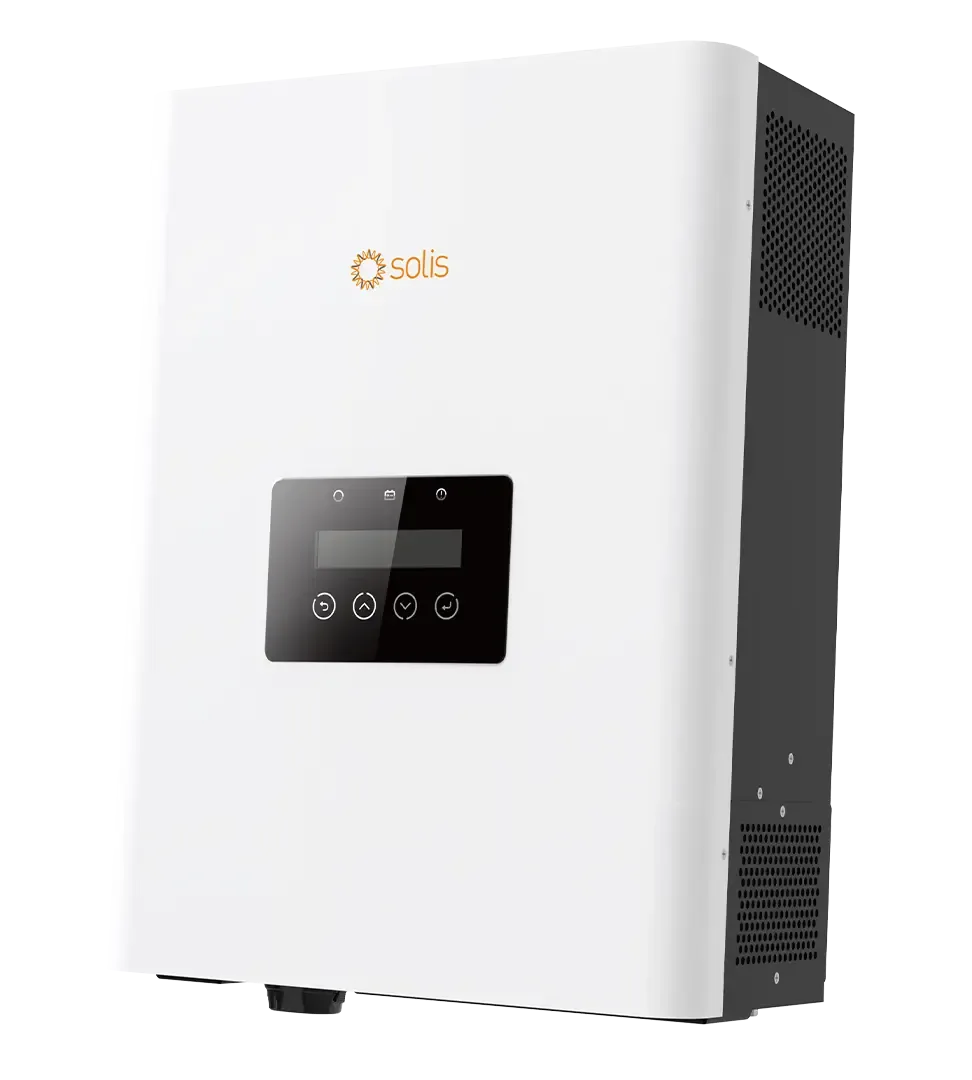
Using reliable systems like Solis Inverters ensures efficient energy use and better battery management.
Final Thoughts
Choosing the right battery capacity is not just about buying the biggest battery, it’s about matching your energy needs with the right system design.
With proper planning, you can:
Get reliable backup power
Avoid unnecessary costs
Extend battery lifespan
Working with experienced professionals ensures your system is sized correctly and performs efficiently.